What Size Hiking Backpack Do I Need? A Practical Sizing Guide
Choosing the right backpack size matters more than most new hikers think. A pack that runs too small forces gear to dangle off the outside. A pack that runs too big tempts you to overpack and wrecks your back by mile three. After years of trekking through the Bandarban hills and shorter day hikes around Kaptai, I have settled on a simple rule. Match the pack volume to the length of the trip and the bulk of your gear, then double-check the torso fit. This guide walks you through both, step by step.
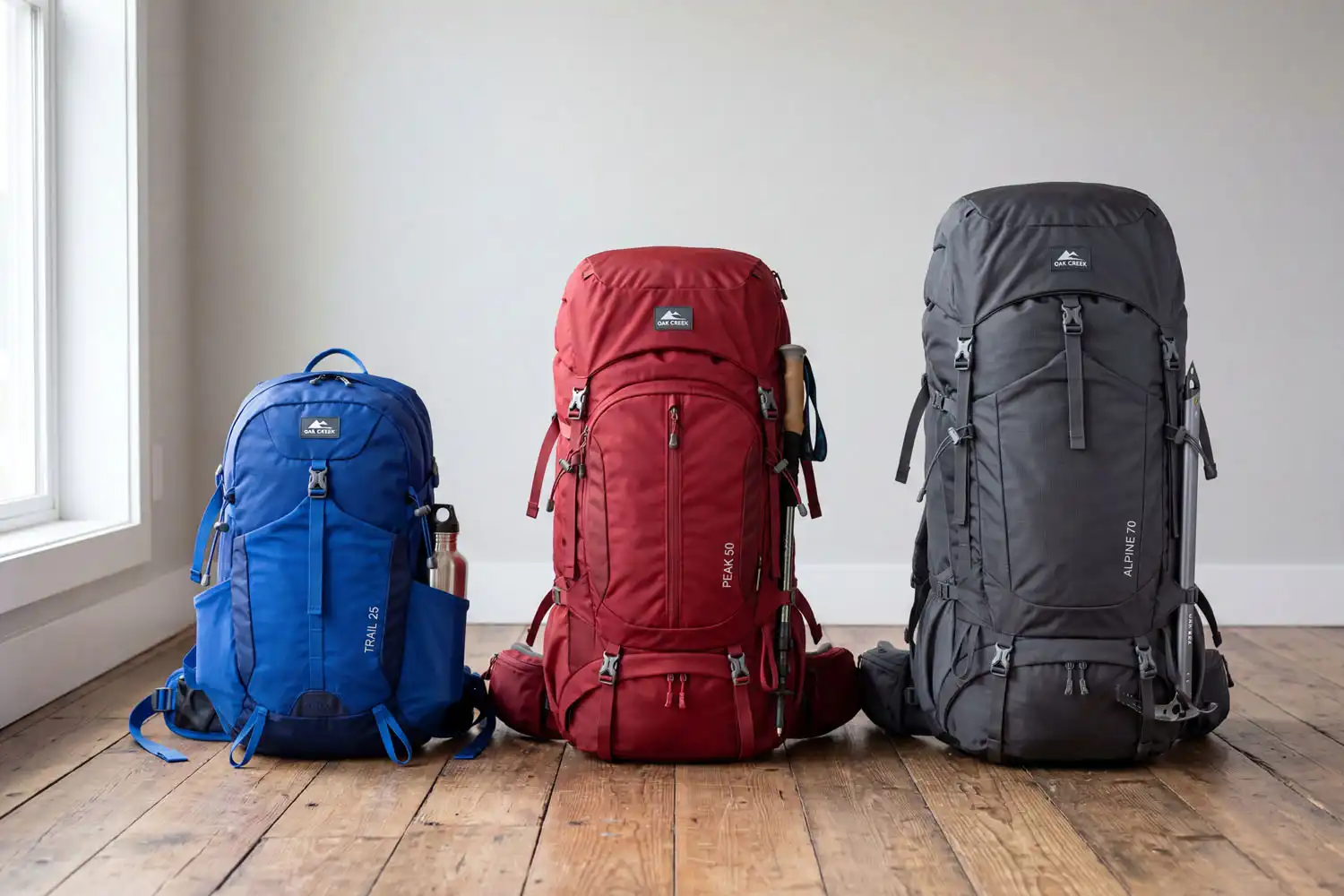
For most hikers, a 20 to 30 liter pack handles day hikes, a 30 to 50 liter pack covers one to three night trips, and a 50 to 70 liter pack works for longer treks. Winter trips and bulky gear push you toward the bigger end of each range. Fit always matters more than raw volume, so torso length and hip belt placement need to match your body before anything else.
How backpack sizes actually work
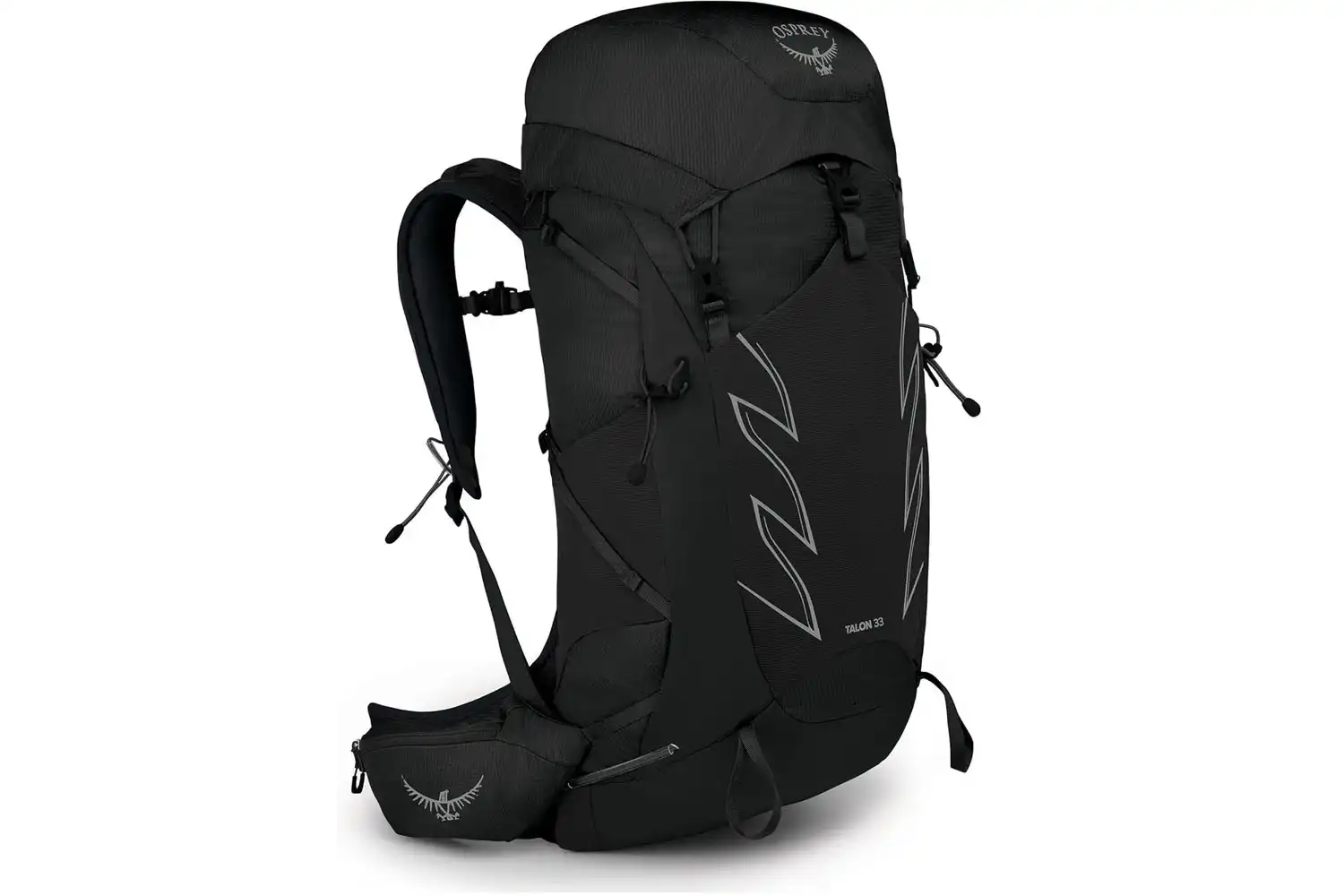
Pack sizes are measured in liters, which describes total carrying volume. Brands like Osprey, Gregory, Deuter, and REI usually put this number right in the model name. So a “Talon 33” carries 33 liters of gear. However, two packs with the same volume can feel very different in use, because shape, compartment layout, and frame stiffness all change how the load sits. Volume is the starting point, not the finish line.
Read next: Hiking for Weight Loss
Hiking backpack sizes by trip length
Day hikes: 15 to 30 liters
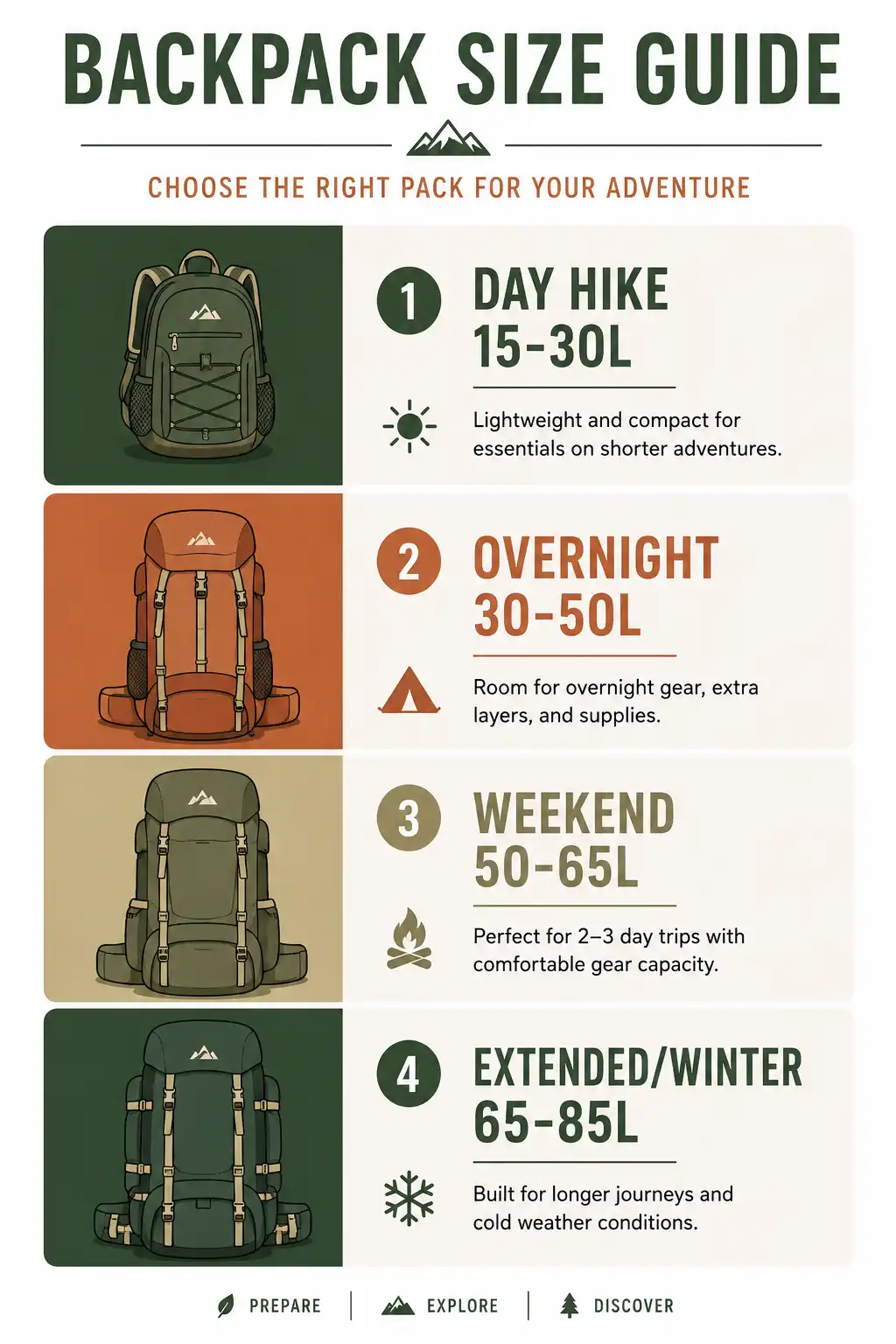
For short trips under eight hours, a 15 to 30 liter pack holds everything you need. Water, snacks, a light layer, first aid kit, and maybe a small camera all fit easily. I use a 22 liter pack for most day hikes around Rangamati, and it never feels tight on space. If you carry extra camera gear or hike in cold weather, push toward 28 liters instead.
Overnight trips: 30 to 50 liters
For a single night out, 30 to 50 liters works best. This range fits a compact sleeping bag, a small tent or hammock, food for two meals, and basic safety gear. Lightweight backpackers can squeeze a full overnight kit into 35 liters. Beginners with bulkier sleeping bags and tents should aim closer to 45 liters so nothing gets strapped on awkwardly.
Weekend trips (2 to 3 nights): 50 to 65 liters
For two or three nights, plan on 50 to 65 liters. This range fits a tent, sleeping bag, sleeping pad, stove, food, and a full change of clothing without forcing you to lash items outside. Most weekend hikers I know live in this size category for years. It is also the easiest size to find on sale.
Extended trips (4+ nights or winter): 65 to 85 liters
For trips over four nights or any winter outing, 65 to 85 liters gives you the breathing room you need. Cold weather gear takes up space. Down jackets, four-season tents, extra fuel, and heavier insulation all push the volume up. If you carry shared group gear like a cook kit or rope, size up by another 5 to 10 liters.
How to measure your torso length
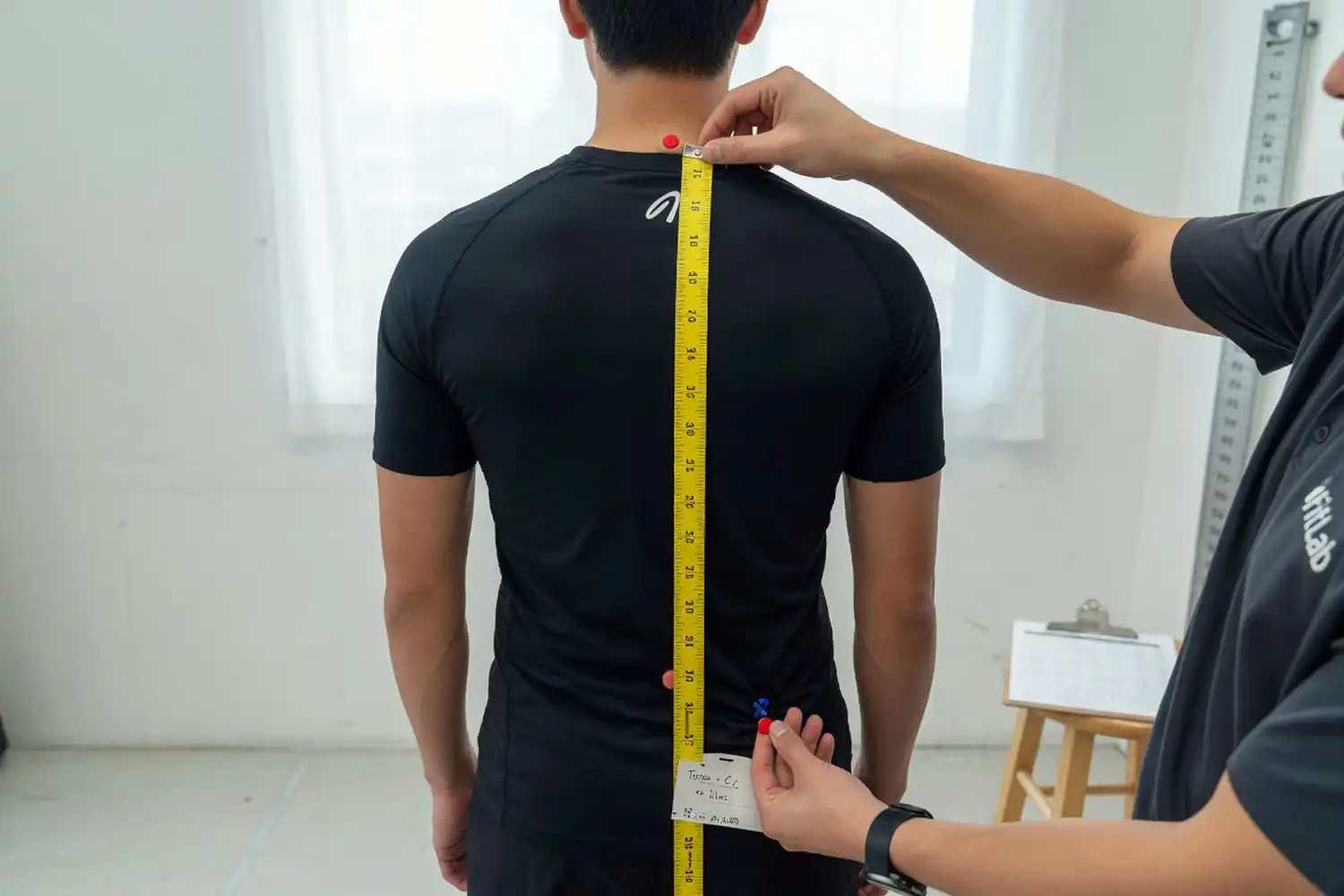
Torso length matters more than your overall height. Two hikers at the same height can have very different torso measurements, so guessing by height alone leads to a bad fit. To measure yours:
- Tilt your head forward and find the bony bump at the base of your neck. This is your C7 vertebra.
- Place your hands on your hip bones with thumbs pointing toward your spine.
- Measure from the C7 bump down to an imaginary line between your thumbs.
Most packs come in three torso sizes:
- Small: 15 to 17 inches
- Medium: 18 to 19 inches
- Large: 20 inches and up
Some packs also come with adjustable suspensions, which let you fine-tune the fit by an inch or two. If you fall between sizes, an adjustable model is worth the extra cost.
How to set up the hip belt correctly
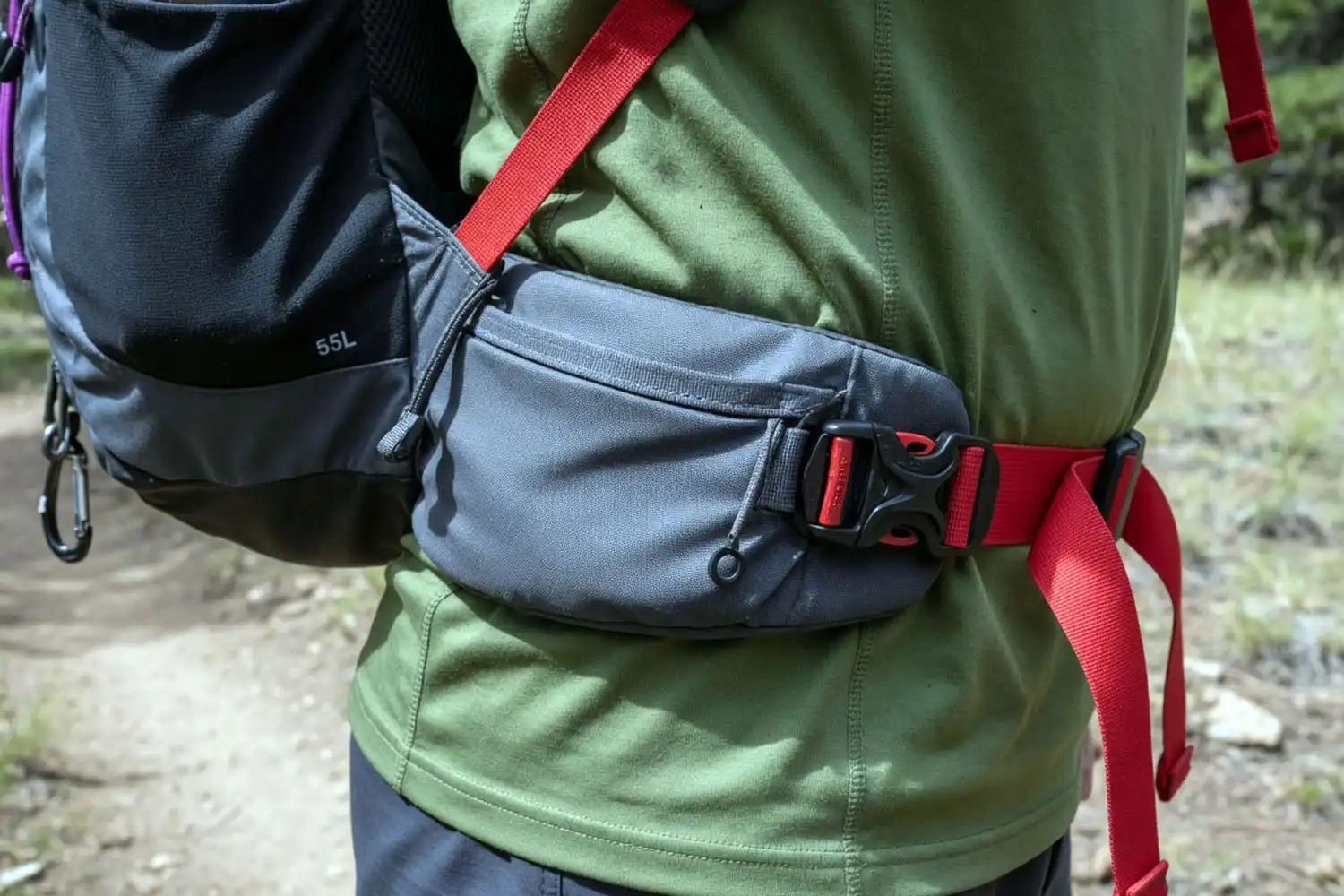
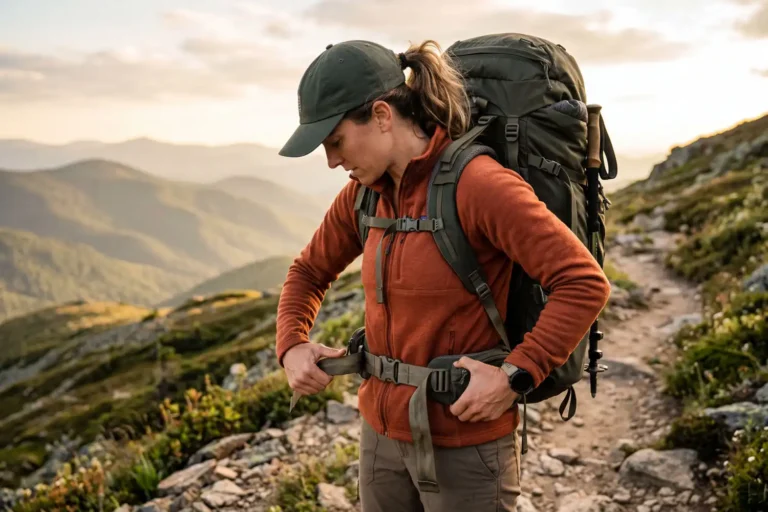
The hip belt should sit on the iliac crest, which is the top edge of your hip bones, not on your waist. A properly fitted belt carries about 80 percent of the pack weight. Measure around your hips at this level and check the manufacturer’s chart. If the belt sits too high, your shoulders take the load instead, and that is when pain starts. For more on this, my guide on packing a backpack so your shoulders stay pain free covers the load-shift problem in detail.
Other factors that change the right pack size
Season
Winter gear is bulkier than summer gear. Add 10 to 15 liters over your three-season volume. A 50 liter weekend pack in July often needs to become a 65 liter pack in January, because down layers, heavier sleeping bags, and four-season tents fill space fast.
Gear bulk and weight
Older sleeping bags, foam pads, and budget tents take more space than modern ultralight versions. If you carry compressible down gear, you can size down. Otherwise plan for the higher end of each range. My notes on shaving tent weight for solo backpacking explain where the biggest gear savings sit.
Body size and fitness
A smaller frame should carry less weight, which often means a smaller pack. However, strap design and back panel padding matter more than raw size for comfort. Strong hikers can carry heavier loads inside the same volume, but training matters too. If you are unsure where you stand, see my guide on the fitness baseline for multi-day backpacking before committing to long routes.
Food and water stretches
Long stretches between resupplies mean more food on your back. Add 5 to 7 liters of capacity per extra day beyond your base plan. Water-scarce routes also push volume up because you have to carry more between sources.
Common backpack sizing mistakes
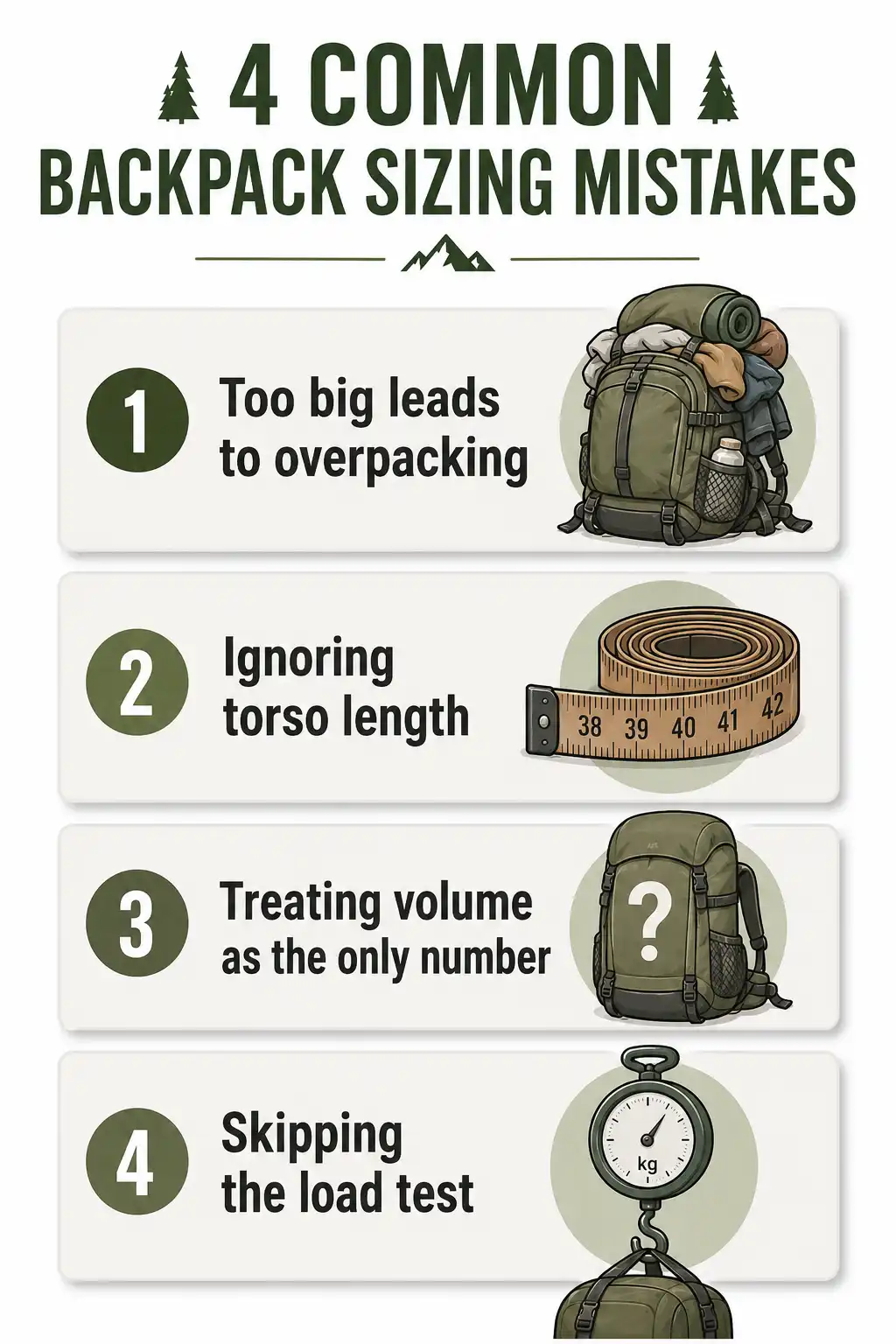
After watching new hikers struggle on trail, I see the same mistakes again and again:
- Buying too big “just in case” almost always leads to overpacking and a sore back.
- Ignoring torso length and grabbing whatever size sits on the shelf wrecks comfort from day one.
- Treating volume as the only number misses the bigger picture. A well-fitted 50 liter pack carries better than a sloppy 65.
- Skipping the load test before a real trip hides comfort problems until you are miles from the car.
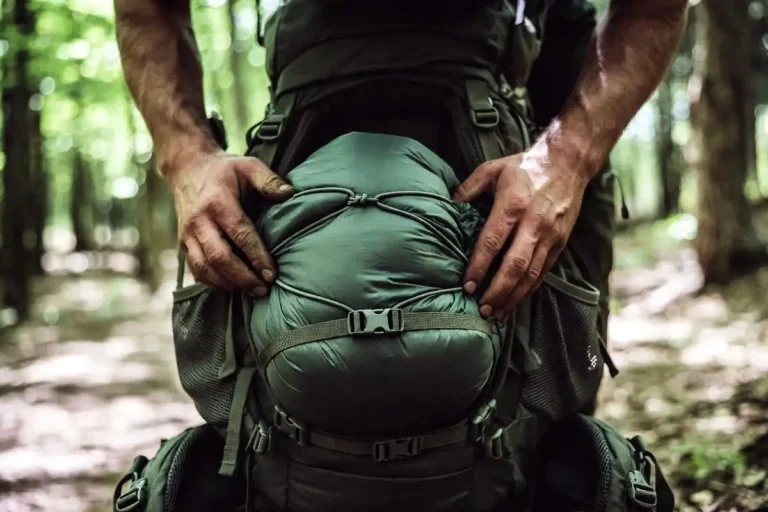
Also, do not forget how you attach exterior gear. Items like sleeping pads and stuff sacks ride better with clean lash points, and my notes on securing a sleeping bag to your pack and keeping weight balanced across both shoulders cover this in more depth.
FAQs on Hiking Backpack Size

Is 40 liters enough for a week of hiking?
Can I use a 70 liter pack for day hikes?
How much weight should my loaded pack actually carry?
Final thoughts
Pack size comes down to four things: trip length, gear bulk, season, and fit. Start with your trip length to set a volume range. Then check your torso length and hip belt position to lock in the right size for your body. A 25 liter pack for day trips and a 55 liter pack for weekends will cover most hikers for years. Buy from a shop where you can load the pack with weight and walk around before deciding. A pack that feels right in the aisle saves you from blisters and back pain on the trail.